
When we talk about the essentials of a website, it should not just bring to mind a stylish design. When every layer — from user experience (UX) to performance, from accessibility to security, from technical SEO to content strategy — works together, the site doesn't just look good; it drives traffic, builds trust, and generates conversions.

1. Clear Goal and Proper Positioning
The first requirement of a successful website is to clearly communicate to visitors within the first 5–7 seconds what it offers, to whom, and why. The homepage should contain a solution-focused headline, a short and concise value proposition, and a clear call-to-action. Navigation should not exceed 5–7 menu items.

2. Mobile-First UX Design
Mobile-first design thinking is no longer an option but a necessity. Minimum 16px font size, at least 1.5 line spacing, touch-friendly button sizes, and single-hand navigable interface are the basic parameters of mobile UX.
3. Speed and Performance (Core Web Vitals)
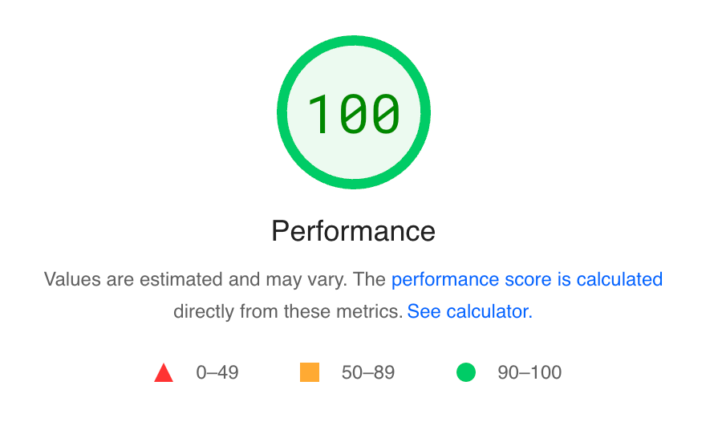
Google's Core Web Vitals metrics are built on three key indicators: LCP, FID, and CLS. To target the green band in these metrics, WebP/AVIF format images, CDN usage, lazy-load implementation, and HTTP/2+ protocol should be implemented.
4. Accessibility (A11y)
Compliance with WCAG 2.1 AA standards benefits not just people with disabilities — it improves the experience for all users. Sufficient contrast ratio, alt text for every image, keyboard navigation support, and semantic HTML5 structure are the cornerstones of an accessible website.
5. Security Layers
HTTPS is mandatory but not sufficient. HSTS, HttpOnly and Secure cookie flags, content security policy (CSP), reCAPTCHA v3, and multi-factor authentication form the basic components of a comprehensive security architecture.

6. Technical SEO Infrastructure
To send the right signals to search engines, Schema.org structured data, XML sitemap, robots.txt configuration, canonical URL structure, and clean URL architecture should be implemented. Technical SEO is the backbone of organic growth.
7. Value-Producing Content Strategy
Content aligned with search intent should address visitors' questions while targeting every stage of the conversion funnel. Page structure supported by references, case studies, customer reviews, and trust badges meaningfully increases conversion rates.
8. Analytics and Continuous Improvement
GA4 setup, heatmap tools, session recordings, and A/B tests allow you to continuously measure and improve website performance.
9. Legal Compliance and Trust Building
Under GDPR/data protection compliance, cookie consent mechanism, privacy policy, and cookie policy are mandatory. Transparently displaying contact information both fulfills legal obligations and reinforces visitor trust.
The essentials of a website are not topics a single department can solve; it is a business system where design, software, security, content, and marketing work together. At Opphisse, we manage all these layers for you.
How Often Should a Website Be Checked?
A website should not be left alone after launch. Forms, speed scores, security updates, broken links, SEO descriptions and mobile layouts need regular checks.
For quote, appointment or sales-driven websites, even a small form issue can directly reduce revenue. Live site checks should be part of the operation.
Practical Checklist
- Test form submissions monthly.
- Review mobile layouts on real devices.
- Monitor broken links and 404 logs.
- Keep SEO titles and descriptions updated.
A good website is not finished at launch; it keeps producing value through regular maintenance.
Opphisse
Related Services
These services turn the article’s recommendations into a practical project scope.
This content was prepared by the Opphisse Editorial Team with digital strategy, web design and SEO experience, then reviewed for readability, freshness and source suitability before publishing.