
Page speed is critical for both user experience and SEO. Google uses Core Web Vitals as quality signals, and users expect websites to load almost instantly.
What Are LCP, FID and CLS?
Largest Contentful Paint measures how quickly the main content loads. First Input Delay measures responsiveness. Cumulative Layout Shift measures visual stability. A healthy website should keep all three metrics in the green range.
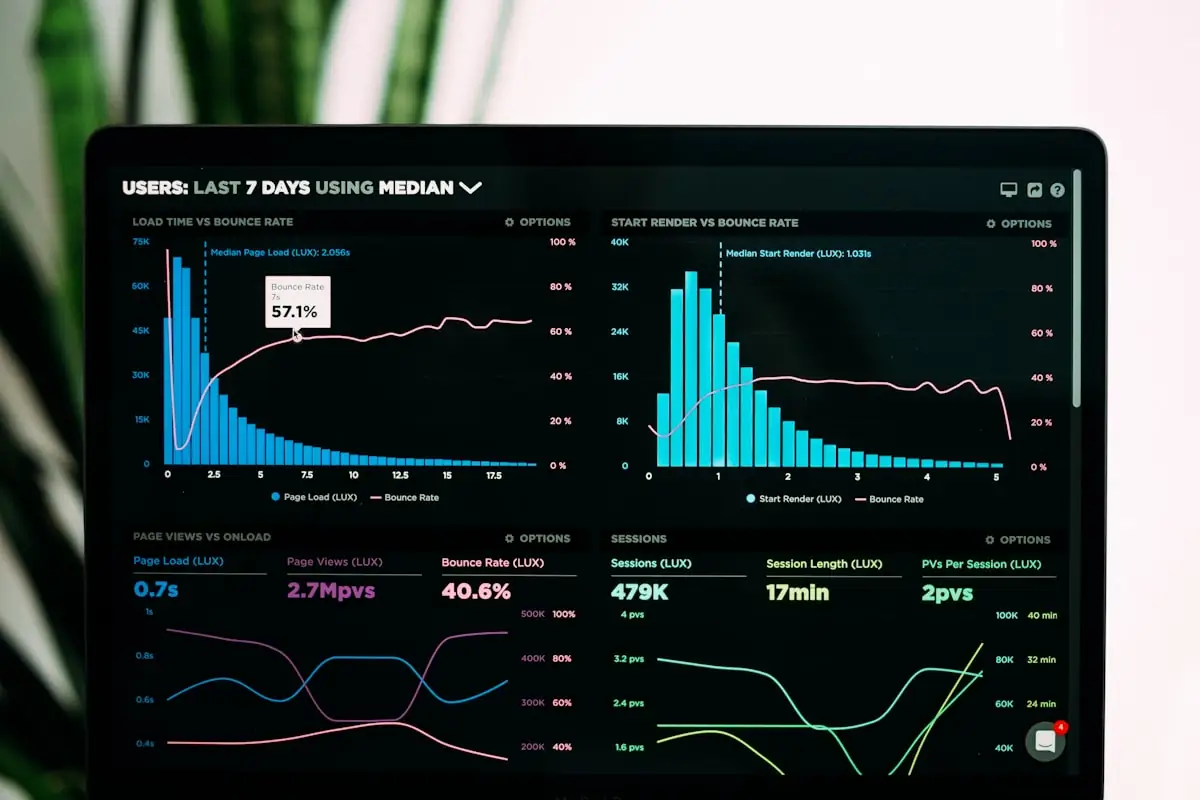
Image Optimization
Use WebP or AVIF formats, resize images before uploading and enable lazy loading. Large, uncompressed images are one of the most common causes of slow pages.
CSS and JavaScript Optimization
Remove unused CSS, minify assets and load JavaScript with defer or async where possible. Critical CSS can be inlined for important above-the-fold sections.
Server-Side Optimization
Caching, CDN usage, database query optimization and efficient hosting infrastructure can improve speed dramatically.
Speed optimization is not a one-time task. It should be measured regularly, especially after new content, plugins or tracking scripts are added.
How Should Performance Work Be Prioritized?
Not every optimization has the same impact. Start with the largest assets, render-blocking scripts, heavy fonts and above-the-fold images. Small tweaks are less useful before these core issues are solved.
For CMS-driven websites, media handling and cache strategy are critical because editors may upload large images, add new blocks or enable third-party scripts over time.
Practical Checklist
- Serve the LCP image in WebP or AVIF.
- Defer non-critical CSS and scripts.
- Load third-party scripts only when needed.
- Document cache and measurement routines.
Performance optimization is not a one-time score chase; it is a technical discipline maintained with every content change.
Opphisse
Related Services
These services turn the article’s recommendations into a practical project scope.
This content was prepared by the Opphisse Editorial Team with digital strategy, web design and SEO experience, then reviewed for readability, freshness and source suitability before publishing.