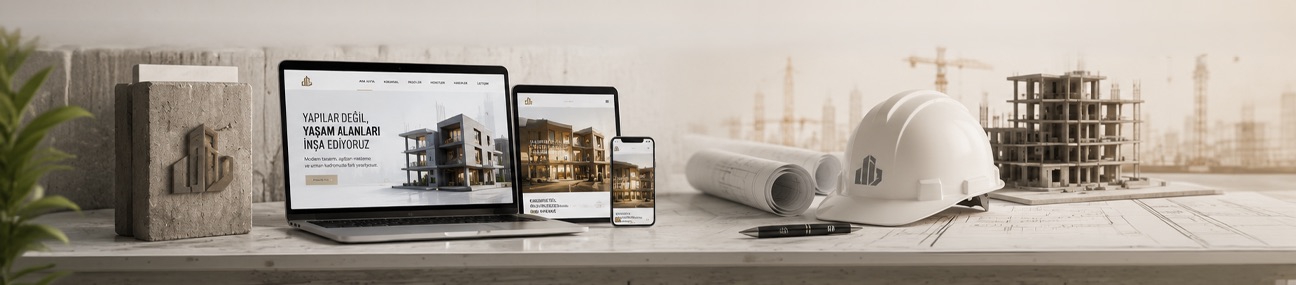
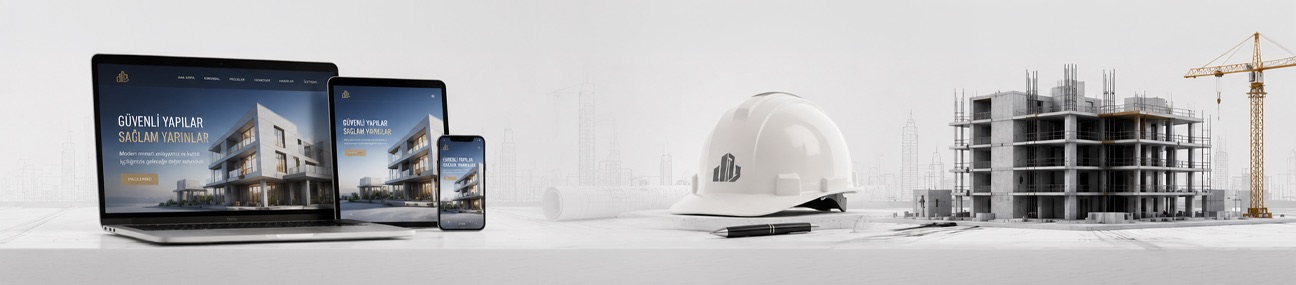
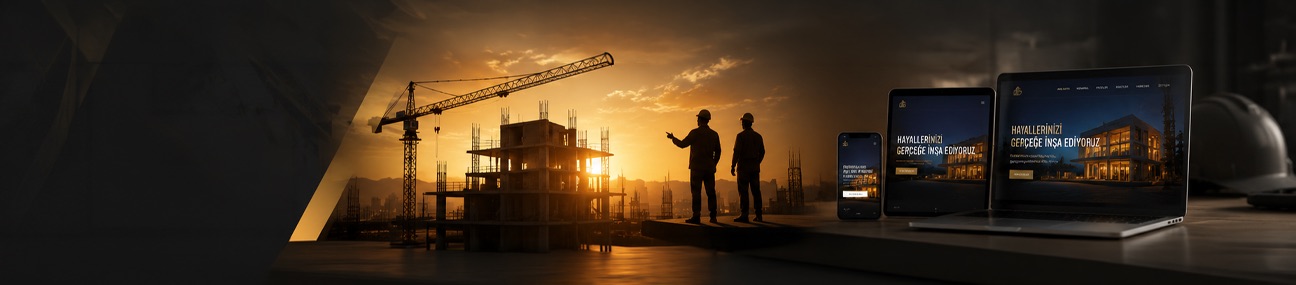
A construction website that proves capability and earns enquiries
Present completed projects, engineering expertise and service areas in a credible, fast website. Give prospective clients a clear route from portfolio research to a qualified quote request.
Completed residential, industrial, renovation or engineering projects should have context as well as photographs. Location, scope, methods and constraints help prospective clients understand the experience behind each reference.
Each project becomes clear evidence of capability and delivery experience.
Separate pages for distinct services
Turnkey construction, steel structures, prefabrication, renovation and project management serve different search intents. Dedicated pages explain the process, suitable project types and the next step without forcing visitors to decode one generic list.
Each genuine service gets a useful search entry point and enquiry path.
A credible local presence
Service areas, office information and project locations should be accurate and consistent. We connect location context to relevant services and real work rather than producing near-duplicate city pages.
A quote form that gathers useful details
Project type, location, approximate size, stage and timing can be requested in a clear form. This helps your team prepare for the conversation while keeping the first enquiry manageable for the visitor.
High-quality images without a slow site
Project photography is essential evidence. We plan image sizing, compression, captions, alt text and gallery behavior so visual quality does not come at the cost of mobile performance.
Strong photography and a fast, search-ready media structure work together.
A structure that grows after launch
New projects, service areas and practical guides can be added over time. The CMS should make those updates straightforward without breaking navigation or internal links.
Initial review
Define the right structure for your construction company
Show us your current website, priority services, representative projects and the type of enquiries you want to receive. We will outline the page structure, portfolio model and search foundations that fit those goals.
We can also discuss whether a streamlined launch or a custom design is appropriate, how project information should be collected and which factors influence the final scope.
Match service, project and location searches with useful pages
Construction SEO is not built around one broad keyword. A person looking for a steel structure contractor has different questions from someone researching a villa build or an engineering partner. We map those intents to distinct service and project pages.
Project details, locations, methods and photographs give the content substance. Technical foundations include clear headings, indexable pages, structured internal links, mobile speed and accurate image descriptions. We avoid copied location pages that add no useful information.
Search work continues after launch as new references and services are added. The CMS should make each addition part of a coherent site architecture.
A strong starting structure includes company information, distinct service pages, project or reference details, contact and quote paths, and appropriate legal pages. A guide section can support common customer questions.
Use relevant images with project context, descriptive filenames and alt text. Compress and size them for the layout so the portfolio remains fast on mobile.
The number of page types, portfolio complexity, original design, content preparation, languages, forms and integrations all affect the scope. We provide a proposal after reviewing these needs.
A template can be useful for a focused launch. A custom design is often better when the portfolio, service structure or enquiry workflow needs more flexibility.
Yes. Service areas, real project locations and business information can be planned together. Location content should be distinct and accurate.
Project type, location, approximate size, current stage, expected timing and contact details are useful starting points. More detail can be gathered in a follow-up conversation.
Related work
Explore another technical-sector website
See how the information architecture changes when buyers need inspection credentials and reporting detail.
Websites for inspection companies
Inspection services, technical evidence and B2B quote paths.
We use cookies to improve your experience, measure site performance and remember your preferences.
Cookie notice
This website may use essential session cookies, functional cookies that remember your preferences and analytics cookies for performance measurement. You can also manage cookie preferences in your browser settings.