
Building a professional website is not only about choosing a design or publishing a few pages online. A well-planned website explains your brand, helps you become visible on Google, increases trust, and guides visitors toward contacting you.
In this guide, we cover the key points you should know before starting a website project, from website pricing and design to SEO, technical infrastructure, content planning, and agency selection.
Why Is Building a Website a Strategic Decision?
For a business, the website is often one of the first serious touchpoints between the customer and the brand. When a visitor finds you through Google, ads, social media, or a recommendation, they start forming an opinion within seconds.
That is why a website project should not be treated as simply “getting a nice-looking site.” A professional website should be planned as a digital system that supports sales, explains services clearly, filters the right audience, and moves visitors to the next step.
The main question should not be “How should it look?” but “What should visitors understand here, and what should they do next?”
Before a corporate website project starts, the goal must be clear. Is the aim only to be found online, gain new customers from Google, create landing pages for ad campaigns, or collect quote requests and applications? Each goal requires a different page structure and user experience.

Ready-Made Website or Custom Website Design?
One of the most common decisions businesses face is whether to use a ready-made theme or build a custom website tailored to the business. There is no single correct answer for every project.
Ready-made themes or component-based structures can be useful for projects that need to launch quickly with a lower starting budget. However, if the structure is not meaningfully adapted to the brand’s needs, it becomes harder for the website to stand apart from competitors.
Custom design does not always mean designing every pixel from scratch. In modern web development, the real value comes from planning the design system, user flow, reusable components, and technical architecture around the brand’s actual needs.
| Criteria | Ready-Made Theme / Template | Custom Website |
|---|---|---|
| Launch time | Usually faster to start. | Moves forward with a more planned analysis and design process. |
| Brand fit | Depends on the level of customization. | Can be built around the brand’s visual language and goals. |
| Features | May be limited by the theme’s structure. | Can be developed according to the business process. |
| SEO architecture | Can work well if structured correctly. | Can be planned around SEO from the beginning. |
| Scalability | Depends on the selected infrastructure. | Can be planned with future improvements in mind. |
Is this website being built only to go live today, or should it grow over time with new service pages, blog content, ad campaigns, and conversion tracking?
If you are not sure which infrastructure is right for you, you can review our web development service or tell us about your project directly.
Main Factors That Affect Website Pricing
“How much does a website cost?” is one of the first questions businesses ask before starting. But website development pricing cannot be reduced to a single fixed number.
The design level, amount of content, custom software needs, multilingual structure, integrations, SEO scope, admin panel, animations, performance work, and post-launch support all affect the total workload.
When comparing offers, do not look only at the total price. Evaluate the page scope, whether the design is custom, who is responsible for content, mobile development, SEO work, license costs, hosting, maintenance, and revision limits together.
What Does an SEO-Friendly Website Mean?
An SEO-friendly website is not simply a few technical plugins or filling in title and description fields. SEO is a broader structure that should be considered from the planning stage.
A strong website needs a clear information architecture. Main services should be separated into relevant pages, closely related search intents should not be split into unnecessary URLs, and category/service hierarchy should stay consistent.
A page that wants to rank on Google should not only repeat the target keyword. It should answer the full intent behind the search. A visitor searching for website development may also want to understand pricing, infrastructure choice, timeline, SEO scope, and how to select the right agency.
- Clear URL and page hierarchy
- Correct H1, H2, and H3 heading structure
- Original content prepared around search intent
- Optimized image sizes and ALT descriptions
- Mobile-friendly responsive design
- Core Web Vitals and performance optimization
- Schema structured data
- Internal linking and breadcrumb architecture
- Index and canonical checks
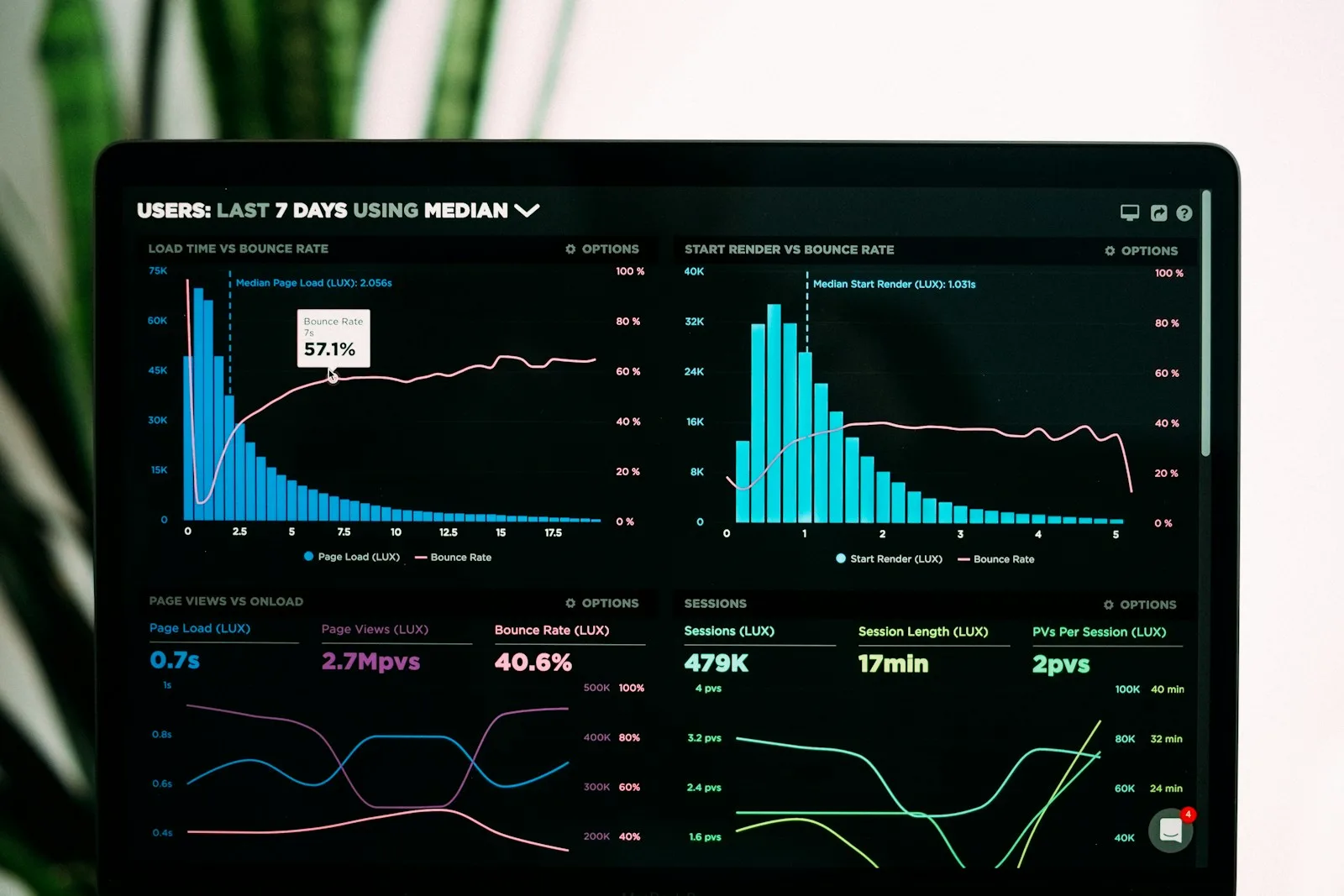
If you want to review the SEO side in more detail, you can explore our SEO and content strategy service.
Why Do Industry-Specific Websites Perform Better?
Customers in every industry do not make decisions with the same questions. A law firm visitor looks for trust, practice areas, and quick contact options. A construction company needs completed projects, references, locations, and technical capacity to stand out. Inspection companies need service scope, reporting, certification, and a strong corporate trust language.
That is why website architecture should be planned according to the industry’s sales process. Service pages, landing pages, quote forms, WhatsApp flows, and blog content should all support the same goal.
How Can You Recognize a Professional Website?
A professional website is not only a modern-looking interface. Visitors should quickly understand what you offer, who you work with, why they should trust you, and how they can contact you.
In a well-prepared website, the message architecture is clear, page transitions are consistent, the mobile experience is comfortable, CTA areas appear at the right points without tiring the user, and the technical infrastructure supports SEO and performance.
What Stages Should a Website Project Follow?
A healthy website project should not start directly with design. It should begin by clarifying needs and goals.
- Discovery and needs analysis
The brand, target audience, services, and expectations are clarified.
- Page architecture
The homepage, services, landing pages, blog, and contact flow are planned.
- Content plan
The message to be delivered on each page is defined.
- UI/UX design
The brand language and user journey are translated into the interface.
- Development
The design is coded to be responsive, fast, and manageable.
- SEO and measurement
Meta fields, schema, sitemap, analytics, and conversion tracking are configured.
- Testing and launch
Mobile, desktop, form, speed, and content checks are completed before publishing.
Information to Prepare Before Requesting a Quote
You do not need to know every technical detail before requesting a website quote. But sharing a few core details helps the agency define the scope more accurately.
- Your current website link, if you have one
- Your main services
- Target cities, regions, or industries
- Website examples you like
- Specific features you want
- Who will prepare the content
- Your expected launch timeline
- Your maintenance, support, and SEO needs
After preparing this information, you can start the first review by filling out the quote form.
What Should You Consider When Choosing a Website Agency?
Agency selection should not be based only on portfolio or price. Your website is your digital storefront, sales support area, and long-term growth infrastructure.
The team you work with should be able to think about design, development, SEO, content, performance, and maintenance together. It is healthier to move forward with teams that communicate transparently, explain the scope clearly, and have a defined post-launch support approach.
Common Mistakes When Building a Website
The most common mistake in website projects is making decisions only based on visual preference or the lowest price. A good website creates value when brand language, user experience, technical infrastructure, and SEO planning work together.
- Starting design without clarifying the target audience and sales process
- Explaining all services superficially on a single page
- Treating mobile user experience as secondary
- Thinking about SEO page architecture at the end of the project
- Leaving CTA and contact flows weak
- Ignoring performance, security, and maintenance
- Not connecting blog content with landing pages
Frequently Asked Questions About Building a Website
How long does it take to build a website?
The development timeline depends on page count, design scope, custom features, and content readiness. A small corporate website and a project with custom software and many landing pages do not require the same timeline.
Why does website cost vary between companies?
A website is not a single standard product. Custom design, ready-made themes, SEO scope, content production, integrations, animations, admin panel, and support services all change the workload.
Can WordPress be used for a professional website?
WordPress can be used for professional corporate websites when developed with the right approach. However, the infrastructure should always be selected according to the project’s technical and business needs.
Should SEO be included while building the website?
It is useful to include technical SEO infrastructure, page architecture, URL structure, heading hierarchy, and basic search intent planning during development.
Who should prepare the website content?
The company should provide sector knowledge and technical accuracy; the content expert or agency should structure that information for user experience, brand language, SEO, and conversion.
Does it make sense to start with a cheap website?
Economic solutions can be enough for small projects that only need a basic digital presence. But if the goal is SEO, active customer acquisition, or custom operations, deciding only by starting cost may create a need for redevelopment later.
Let’s Define What Kind of Website You Actually Need
You do not have to know how many pages you need, which infrastructure to use, or every technical detail. Tell us about your company, services, and expectations from the website. The Opphisse team can evaluate your needs and define the right scope for design, development, and SEO.
Get a Website QuoteThis content was prepared by the Opphisse Editorial Team with digital strategy, web design and SEO experience, then reviewed for readability, freshness and source suitability before publishing.